
Part 4: Coach’s Companion – Advanced Strength Insights & Class Management
- Craig Wynne
- Apr 10, 2025
- 3 min read

This one’s for the coaches, trainers, and curious athletes who want a deeper dive into how to fine-tune strength development—not just for results, but for longevity, performance, and class experience.
Class Flow, Timing & Structure
When classes get big, flow matters just as much as programming. Here’s how I handle the logistics:
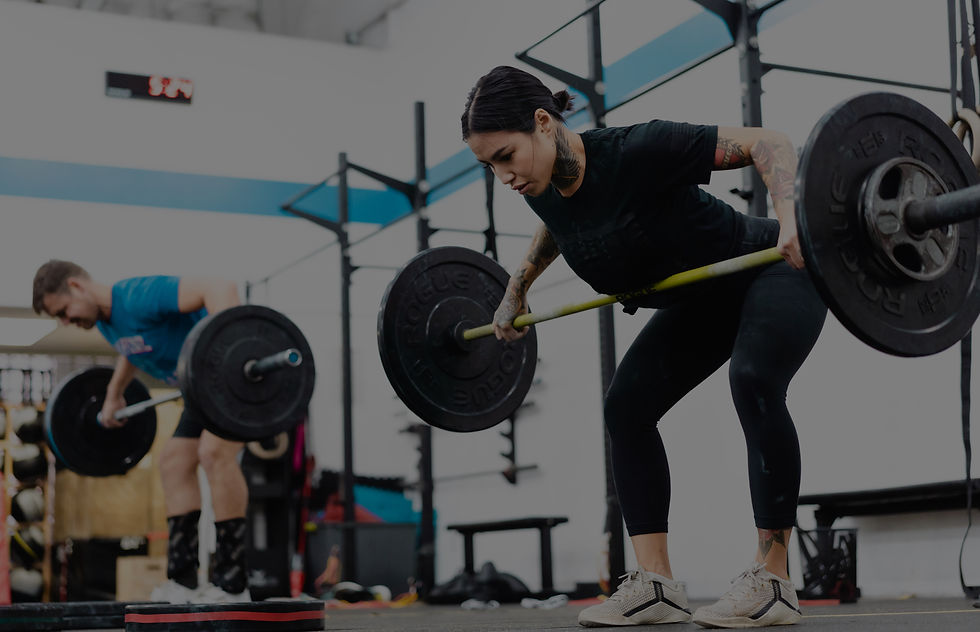
• Staggered strength start windows (e.g., 0:00 & 1:30 lifter start times) help keep platforms and equipment rotating smoothly.
• Everyone finishes their sets at different times, giving more freedom to coach individual movement, build next lifts, and transition smoothly.
• Downside: When everyone lifts at the same time, it creates a long break (~2 minutes) after their sets are done—better for cool-down, transitions, and chatting, but tighter for high-volume classes.
• I typically only stagger when we hit double-digit class sizes.
⸻
Pre-Lift Warm-Ups & Primers
Help athletes maximize performance with smart warm-ups:
Before squats:
• Banded glute activation (clamshells, lateral walks)
• Single-leg balance or box step-downs
• Cossack squats for range
• Bodyweight tempo squats
Before pressing (bench or shoulder):
• Single-arm Arnold press
• Band pull-aparts or face pulls
• Thoracic spine openers
• Light dumbbell rotations (external + internal)
Between sets (optional):
• Shoulder or hip mobility drills
• Breathing resets
• Extra glute or core work for support
Encourage experienced athletes to use these during rest windows—maximize time without adding volume.
⸻
Squat Anatomy & Stance
There’s no single “perfect” squat stance. It’s about what’s optimal for the individual.
Textbook stance: Shoulder-width, toes forward/slightly out
Pros:
• Great for crossover to sports like running or football
• Encourages torque and stability
Personalized stance (based on hip structure):
• Often allows greater range of motion
• Feels more comfortable and efficient
• Safer and more sustainable for long-term strength
Coaching tip:
Unless the athlete is chasing elite-level numbers or plateauing, personalized comfort and mobility take priority over textbook angles. A squat that moves freely will always win.
Wide, externally rotated hips:
• Harder to transition foot positions dynamically
• Need more adductor flexibility + control
• Might benefit from low bar squats for peak strength
⸻
Shoulder Press Depth & Technique
Bar to shoulders vs. bar not touching:
• Touching shoulders: Builds full ROM and comfort in rack position—critical for CrossFitters and Olympic lifting.
• Not touching: Keeps constant tension, more time under load—better for hypertrophy/bodybuilding.
Both are valid. Choose based on the athlete’s goal, pain history, or training phase.
⸻
Deadlift Details
Neutral spine is the rule—until you’re elite.
Some high-level lifters allow upper-back rounding for lever advantage, but unless your athlete knows what they’re doing (and why), it’s not something to teach.
Cue: Brace and Fill the Barrel
• Teach athletes to “fill a barrel” with their breath like pushing into a belt.
• Lats on, scapulas back and down, eyes neutral.
• Deadstop reps only—save touch & go for metcons.
Sumo stance?
If someone prefers it or has specific needs, sure. But conventional deadlifts crossover better to cleans, kettlebells, sandbags, and general movement. I don’t push sumo unless there’s a reason.
Head Position:
• Neutral head = better posterior chain recruitment
• “Eyes up” is common in weightlifting because the bar is lighter and faster
• Powerlifting = head neutral
• Have your athletes feel the difference with a demo—head up often weakens the pull
⸻
Metcon vs Strength Flexibility
If someone’s not into strength days—or it’s their only chance to train that day—give them a sweat option. This keeps them showing up while still reinforcing the day’s theme.
• Squat and Deadlift = mandatory strength for everyone
• Bench & Shoulder Press = athlete’s choice (strength or metcon)
Metcon example for upper-body push day:
9-min AMRAP
5 push-ups
10 burpees
15 wall balls
20/16 cal row
This approach keeps everyone progressing, whether they’re lifting heavy or just showing up to move.
⸻
Coaching AMRAP Sets
The AMRAP set is not just a test—it’s a coaching tool.
Use it to:
• See who’s ready for progression
• Spot fatigue, breakdown, or pacing issues
• Adjust future percentages
Rep thresholds (for squat, press):
• +2 = +1% next cycle
• +4 = +2%
• +6+ = +3%
Encourage athletes to reflect on how it felt—not just how many they hit. Bar speed matters.
⸻
Food Coaching Tips for Strength Phases
Strength cycles demand fuel—especially in the early high-rep months.
Common athlete mistake: “I’m not getting stronger”
Reality: They’re under-eating because surplus feels mentally harder than dieting.
Quick talking points:
• Abs disappearing in the morning? That’s okay. You’re growing.
• If they’re highly active already and can’t eat more, reduce extra training volume.
• Strength is possible in a deficit, but gains will come slowest.
Encourage:
• 10–30% calorie increase in early cycles
• Tracking weight trends over mirror checks
• Eating to support training—not just appearance
⸻
Final Word for Coaches
This whole cycle is about intentional, sustainable strength.
For you as a coach, it’s also a chance to teach movement quality, build confidence, and make strength work more accessible and enjoyable to more people.
Build smarter. Program with purpose. Coach like it matters—because it does.
⸻

Comments